
Getting started can be the hardest part.
Success is earned, one step at a time. One of the most invaluable skills a person can have is being able to clearly express what it is they want. get your trip consulting at: zero@world-simulation.com


-
Best Strategy If We are Living in Simulation
We are living in simulation.
2020 David Kipping of Columbia University apply Bayesian Approach to estimate the hypothesis’s possibility. There is slightly over 50% chance that we live in reality, but if we can simulate conscious beings (for instance general artificial intelligence), the possibility will flip to almost 100% that we live in simulation. (aligned with Musk’s comment below)
2016 Elon Musk “The odds that we are in base reality is one in billions,”
2003 Nick Bostrom of the University of Oxford, published paper of simulation argument.
~400BC Greek philosopher Plato’s Allegory of the cave: shadows become the reality of people in the cave, but not real representation of the world“
(Fig1. Plato’s Allegory of the cave credit: Jan Saenredam – British Museum)
~400BC Cofounder of Taoism ZhuangZhou had the famous butterfly dream argument, questioning whether he was just a dream of a butterfly.
~600BC Buddism – Concept of Emptiness. In the words of Chögyal Namkhai Norbu, a leading authority on Tibetan culture, “In a real sense, all the visions that we see in our lifetime are like a big dream […]”
This article is not to prove the hypothesis, but utilize this hypothesis to make better strategy for life. All discussions below are based on the assumption that we do live in a simulation:
The Best Strategy
The hypothesis that we are living in simulation simplified the strategy search for complex life.
Life can be simplified into a reinforcement learning process. Human beings are agents who interacted with environment (other agents or world simulation) and get trained to maximize reward. During which, agents can choose to produce the next generation similar as evolutionary algorithm in global optimization. By end of life, agent left the environment and cannot take anything with them.
Fig2.Basic Diagram of Reinforcement Learning – credit: KDNuggets
Then search for life’s best strategy is an AI training routine:
- define business value -Why create this simulation?
- define reward function – What is the good metrics?
- choose the technical approach – how to train model efficiently?
(as for when to stop, what kind of world serve as the best simulation environment and many other technical details are skipped in this article)
1.Why our world is created in the first place?
(Fig3. Tesla Simulation for Autonomous Driving Training Credit: Tesla Livestream)
One guess can be that this world’s creator want a trained model for specific task, such as AI agent driving a car (hopefully the task is not serving as electric generator shown in film the Matrix) The dream of AI engineer is to train a model same as human driver. It would be even better to train 1.4billions models at the same time, and select the best one to use based on different scenarios. Similarly our creators are likely running trillions of trillions of simulations at the same time, this world is just one of them. So it is guaranteed for us to get maximum value of life by serving our creators’ purpose – generating a well trained model useful for them. And the value of life is the reward defined by creators, similar as reward function in AI training. It is projected in current simulation as happiness, meaningfulness, fruitfulness, sense of achievement… maybe in the format of chemicals such as dopamine and serotonin
2.What is the good metrics? – Definition of Reward Function
Unfortunately, there is no clear definition since we don’t understand the fundamental rules of the world even less about the intention of our creators. The most relevant concept which we can understand is meaning of life. That explains two great endeavors of human beings: searching for the meaning of life(philosophy, religion…) and understanding the fundamental rules of the world(science, religion…). Both contribute to define the reward function, though the former try to tackle the problem more directly. Lessons learnt in those two topics are the most valuable things for human beings and never fade. The efforts to do both topics will last until the end of simulation, during which different cooperation formats will be tried out, such as country, company, tribe, groups….
2.1 For AI agent, the most efficient strategy is using a pre-trained model or the best possible prior(as in Bayesian optimization). In the words of human being: Standing on the shoulders of giants, from wikipedia: “Using the understanding gained by major thinkers who have gone before in order to make intellectual progress”
There are many great thinkers on the searching for Meaning ( Viktor Frankl has a great book in 1946 fell under the same name). I quoted some which aligned with simulation assumption:
Fig 4(credit: Stanford university)
- Steve Jobs’ 2005 commencement at Stanford University: “And most important, have the courage to follow your heart and intuition. They somehow already know what you truly want to become. Everything else is secondary. ” — nobody knows how simulation creator’s intention or reward definition. Follow your heart is like random search with intelligent guess.
- Warren Buffett “The most important investment you can make is in yourself.” — For the simulation’s creator, you, the trained model is the most important. “Everything else is secondary”:-)
- Elon Musk “The meaning of life is to understand the nature of the universe and figure out what the meaning of life is.”
Since the reward is beyond our understanding, it has the advantage of not restricted by anything human created. The reward function can be obtained no matter who you are, where you are from or what you do: you don’t have to be anyone else, just yourself. People got penalty by using reward function. A good example is “self-exploitation” concept raised in Chayanov’s The Theory of Peasant Economy. In his study, Russian peasants in 1920s self exploited themselves by maximizing only money. The outcome is extensive long hours of labor with negative impact on quality of life.
3.How to train efficiently.
Once we have some idea about reward function, we could start the optimization process for life – to maximize the reward in a sustainable way with available resources. I will simplify the categorization of optimization methods into gradient-based optimizers and derivative-free optimizers.
3.1 When you are clear about your meaning of life:
You can increase your value much quickly by using gradient-based optimizer. In neuron network training, especially in supervised learning, gradient-based optimizer is significantly faster. However, this method has strict requirement for clarity and quality of reward function. Some of the examples are Stochastic Gradient Descent (SGD), Levenberg–Marquardt algorithm (LMG). Lesson learnt from AI Training:
- Specify reward function – the meaning of your life as clear as possible. It is the cheat code for using significantly faster optimizer to increase your value.
Fig 5. Gradient Descent Algorithm credit link: oreilly
3.2 When meaning of life is still a black box:
The problem becomes global optimization of black box functions. Some popular and relevant methods are listed below :
- Generic Algorithm: inspired by natural selection process, it used mutation, crossover and selection to produce better next generation. Through multiple generations, high-quality solution could be obtained to maximize the reward.
Fig 6. Generic Algorithm Process (credit: quantdare.com)
- Bayesian Optimization: Update understanding of behavior (a prior -> posterior distribution) through evaluation or observation. It is usually employed to optimize expensive-to-evaluate functions, which suits our use case here.
Fig 7. An-illustration-of-EI-based-Bayesian-optimization-in-an-example-scenario (credit: researchGate)
3. Multi-objective optimization: a method of multiple criteria decision making, it addressed the pain point of extracting single dimension reward function. Even incomplete understanding can guide the optimization process.
4. Surrogate optimization: this method use surrogate model to approximate the award function, it is another simplification method to reduce prerequisite for optimization.
Lesson learnt from the common points of above global optimization methods:
- Act first (Just do it!) and engage in activities that you can get feedback. Better to keep diary and document the actual outcome for better next iteration sampling.
- frequent iteration and evaluation of action to update understanding about the reward function – meaning of life and the environment – nature of the world.
- Keep iterating until you cannot afford the cost. Never settle down easily. Chasing a local optimal can be very costly with diminishing return.
Final words:
No matter whether the hypothesis is valid or not, it help me focus my limited time on great endeavors to me: searching for the meaning of life and understanding the nature of the world.
It is also one of the reasons why I choose simulation and AI as my research topic. It gives me first hand experience of how to move towards a “realistic” simulation step by step, use it to train AI agents and interact with this world by autonomous system such as robot. I consider it as proactive way to understand the nature of this world. It provides inspirations for me to find my reward function – meaning of life. So I shared some findings in this article.
-
Unique Swimming Pools I have Explored

Enjoy Hot tube with family on the shore in Alila Marea Beach Resort Encinitas Collection of swimming pools became fascinating to me because I am amazed by human’s ability to create artificial environment representing where we are coming from – The Sea. Following are the top swimming pools I have explored and highly recommended so far:
Iceberg – Sydney Australia

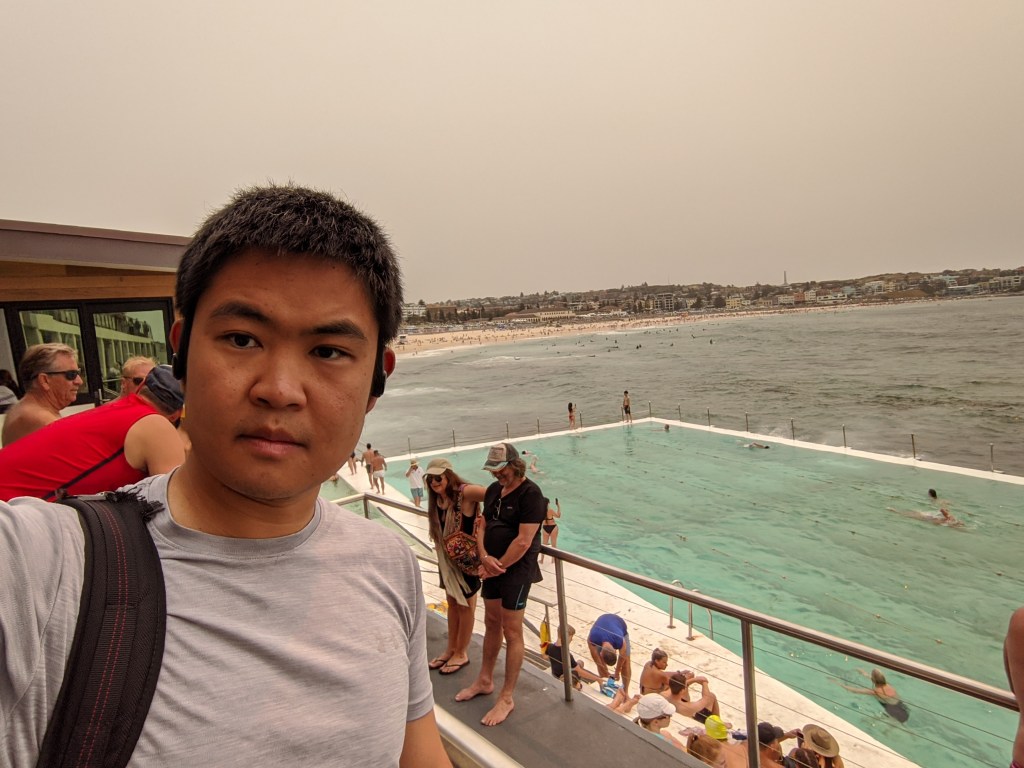
The real sea water swimming pool! And that’s why the water temperature is freezing, and I guess that’s why it got its name from. It is deep enough and you feel you are swimming in the sea with not so good visibility. The first lap, I thought I was not going to make it and there is no easy stop in the middle, I would suggest firstly use the side lane in case you need some rest along the way. But gradually I started to appreciate the awesomeness of this pool, it is the same reason I feared it in the first place, it is like swimming in the sea and you can get the splash from the wave hitting the edge of the swimming pool! It is so worth the hassle of packing/carrying towel and swimming suits and equipment all the way while visiting the opera house, the zoo, the Madame Tussauds…
Hyatt Park Tokyo -Japan
This is just phenomenal, I knew this is the first hotel I will book in Tokyo, the outstanding bar in the movie Lost in Translation, the onsite library, the great view overseeing the Shinjuku Gyoen National Garden. (below is the picture from my room), a rare view of green in the heart of Tokyo.

But what’s more fascinating for a swimming pool collector like me is its high floor swimming pool, it is worth a trip by itself. 360 degree view of the city on the 47th floor. I just enjoyed spend time there early in the morning and late night:

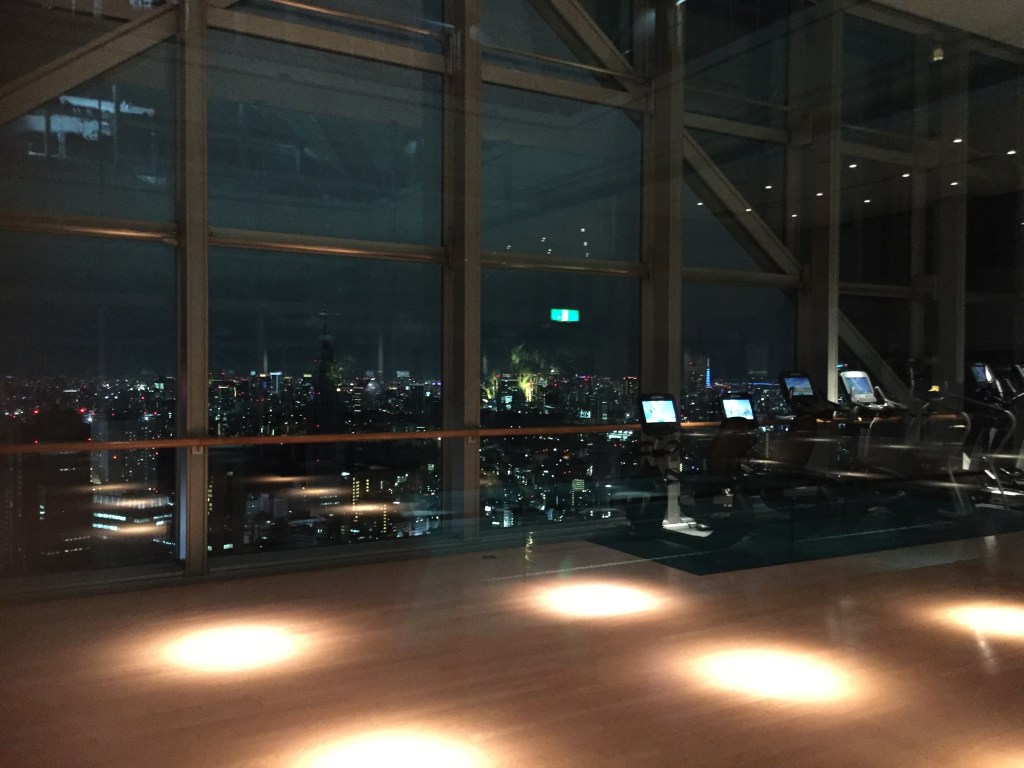

To be continued with other swimming pools I have explored:
Cairns Esplanade Lagoon, Australia

Second Beach Swimming Pool – Vancouver, Canada
Marina Bay Sands Infinity Pool, Singapore
Kitsilano Pool – Vancouver, Canada
Various Las Vegas Pools, NV, USA
Mandalay Bay
Cancun
Caesar Palace
Venetian
…
Chicago Magnificent Mile
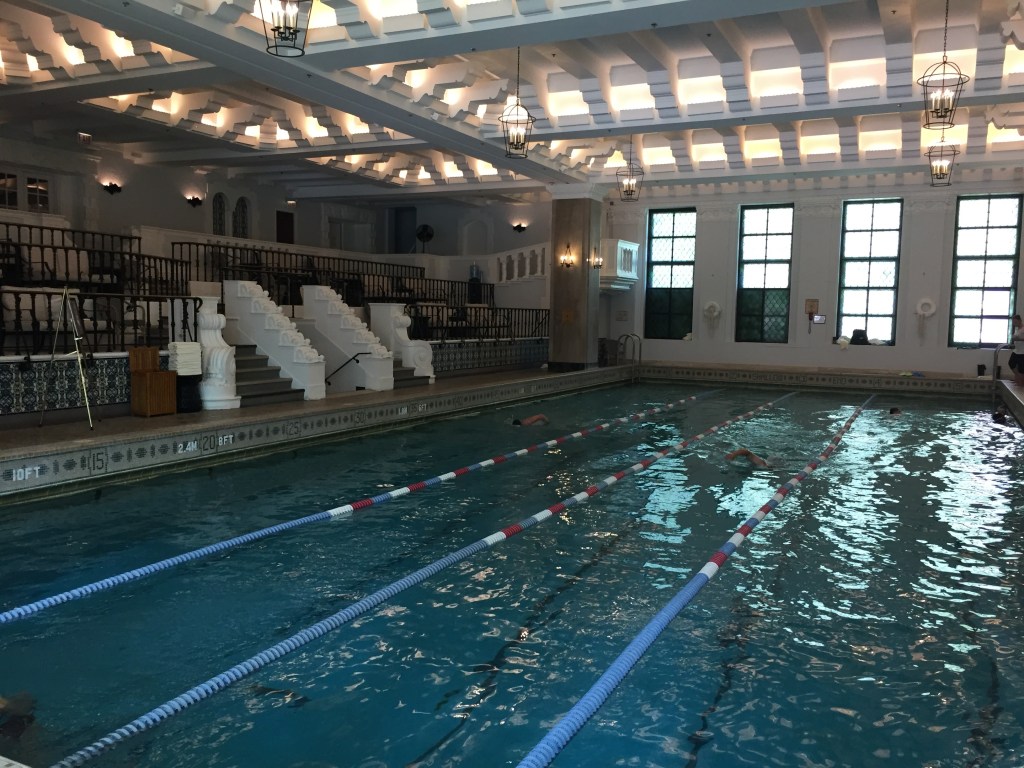
Mandarin Oriental, Singapore

Hyatt Residence Club Sedona, Piñon Pointe
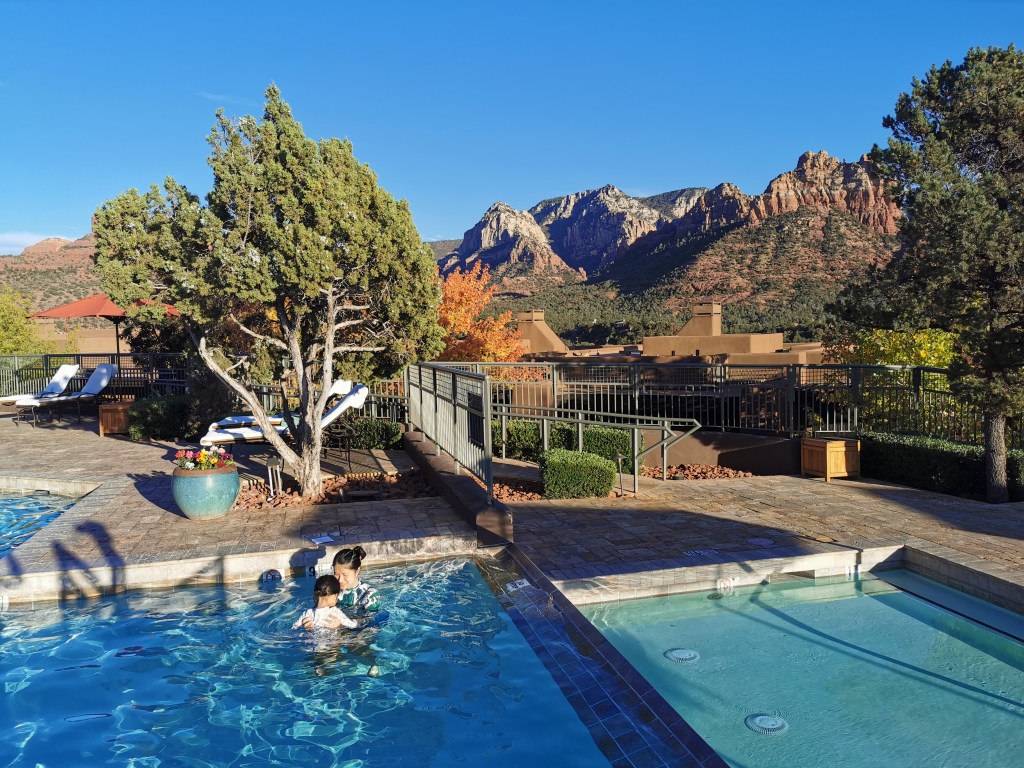
And more….
-
Thoughts after points and miles

Singapore Airline Suite 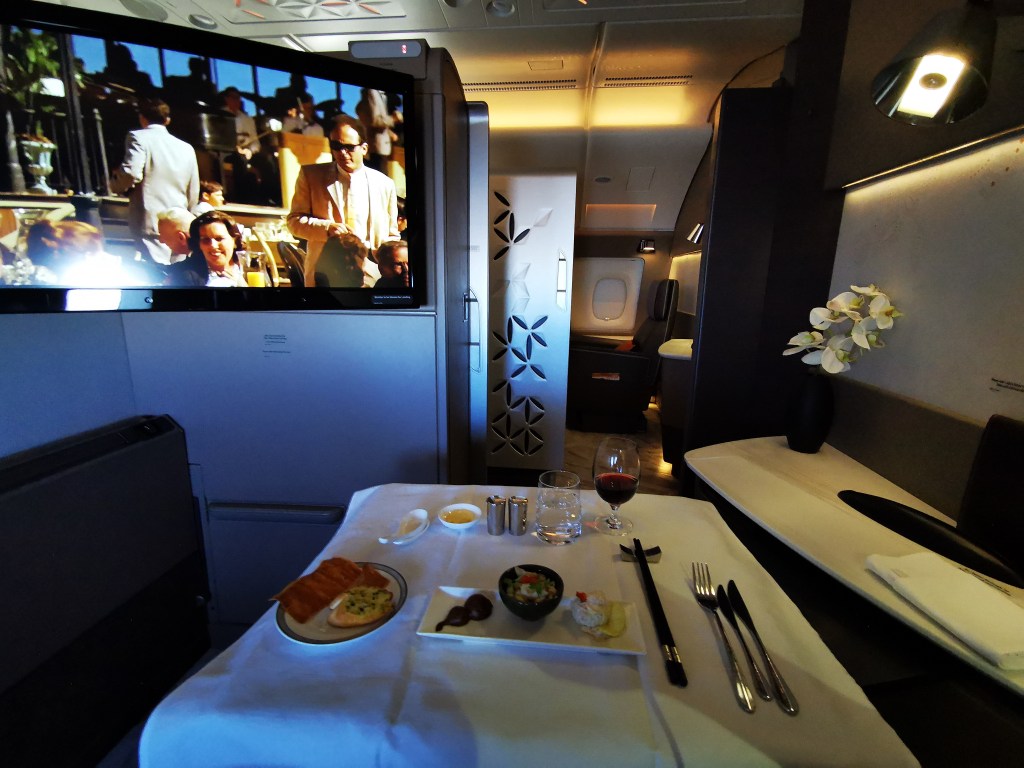
Good onboard dining experience When can I resume to normal and spend money for travel?
I am so used to travel for free, especially for luxury hotels and first class transcontinental flights. I should come back to earth when kids start school and I have more restrictions.
This morning I spent the morning arranging hotels for Vancouver trip, we always stay at Hyatt Regency Vancouver with summer average pricing above $400 including tax. for the last three trips and future, FOR FREE.
It is considered normal in the family, over the years, we never paid for our business/first class tickets to Japan(20+ times)/Europe(4+ times and > 4months duration added)/Australia(2+ time, 1month+ stay)/Thailand…..
But it came at a price that we booked in advance and plan it with flexibility. With Kids going to school, that could be a past.

Lobby at Hyatt Vancouver. Also I wonder the addiction to take care of the miles or points is beneficial overall? The efforts are definitely better valued if spending on learning and progressing in career. But what if the purpose of progressing in career is to get the family on a nice trip?
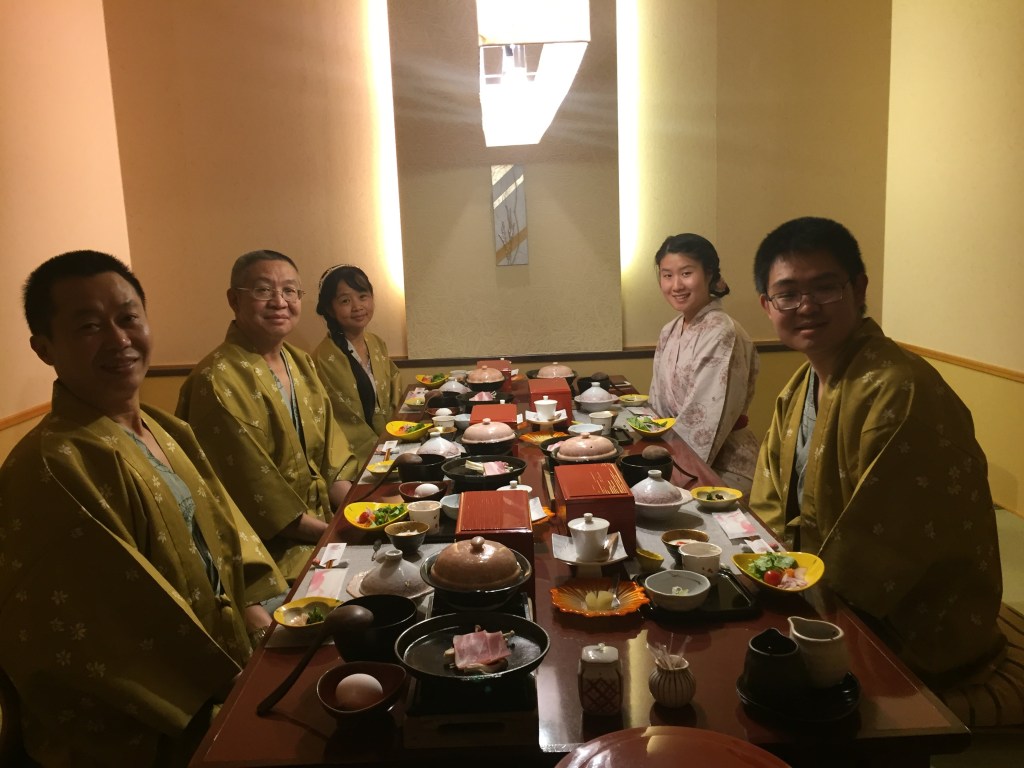
Enjoy Food at Kinugawa Onsen Ryokan At least collecting miles and points is an interesting hobby which focuses on the family welfare and enjoyment of life itself, it is better than money in the sense that you could get distracted by earning more money, but for points, you always think about how to use it and don’t feel guilty about it.
-
Seattle Wild Blackberry is at Peak

Sweet Blackberries! The wild blackberries are fully ripe and at its peak this week on the trail nearby. Pick up daily to enjoy the taste of summer.
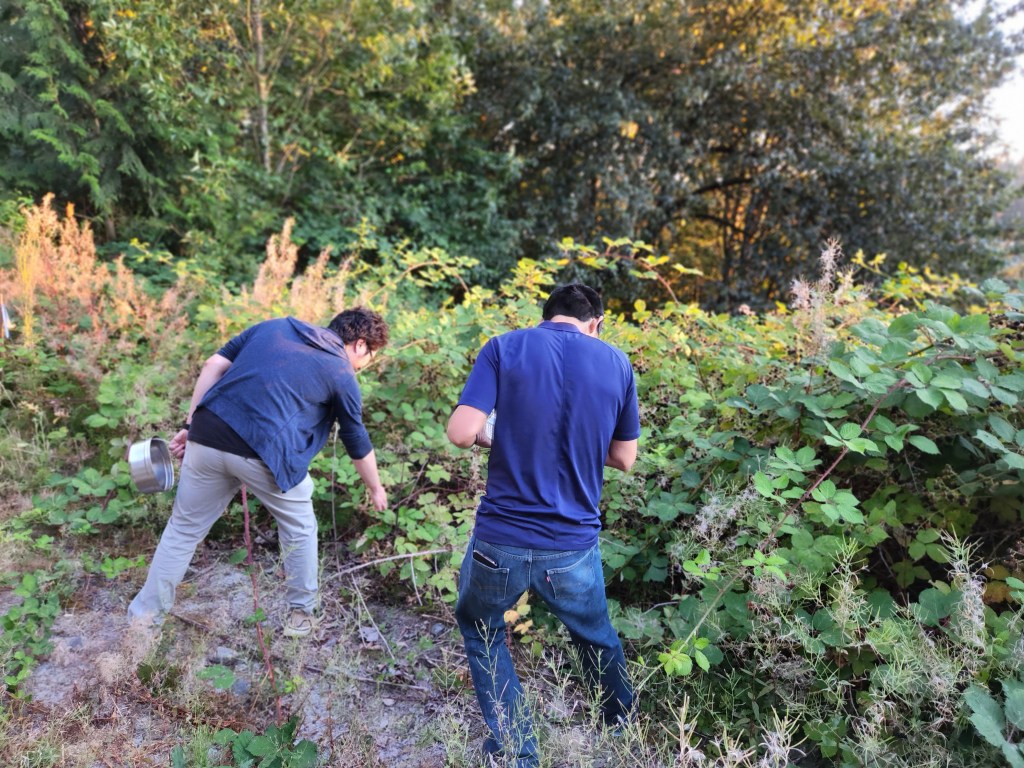
There are plenty of berries The best part is the sweet smell in the air from those berries. Summer is precious here!
-
Be Happy is Be yourself
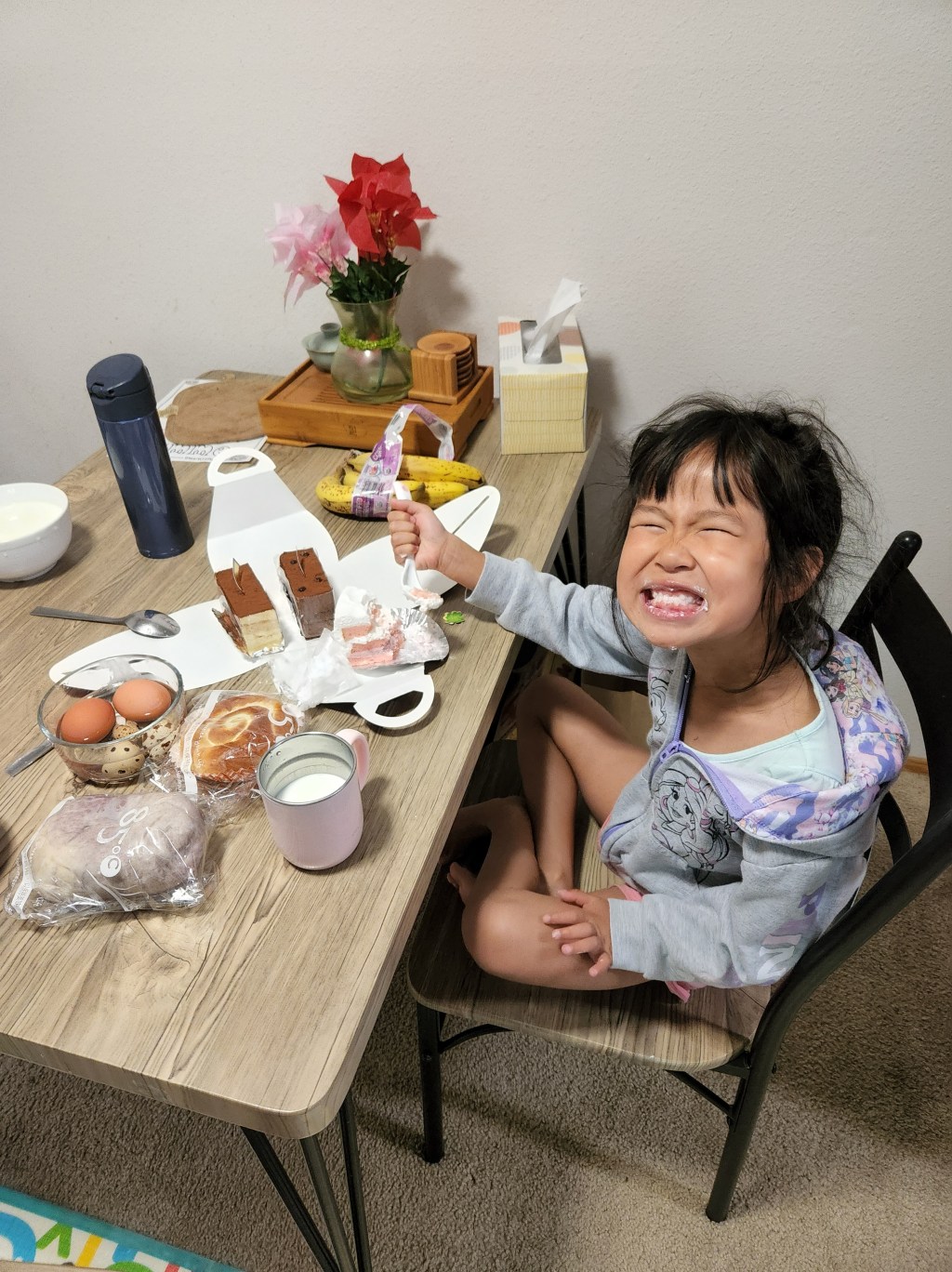
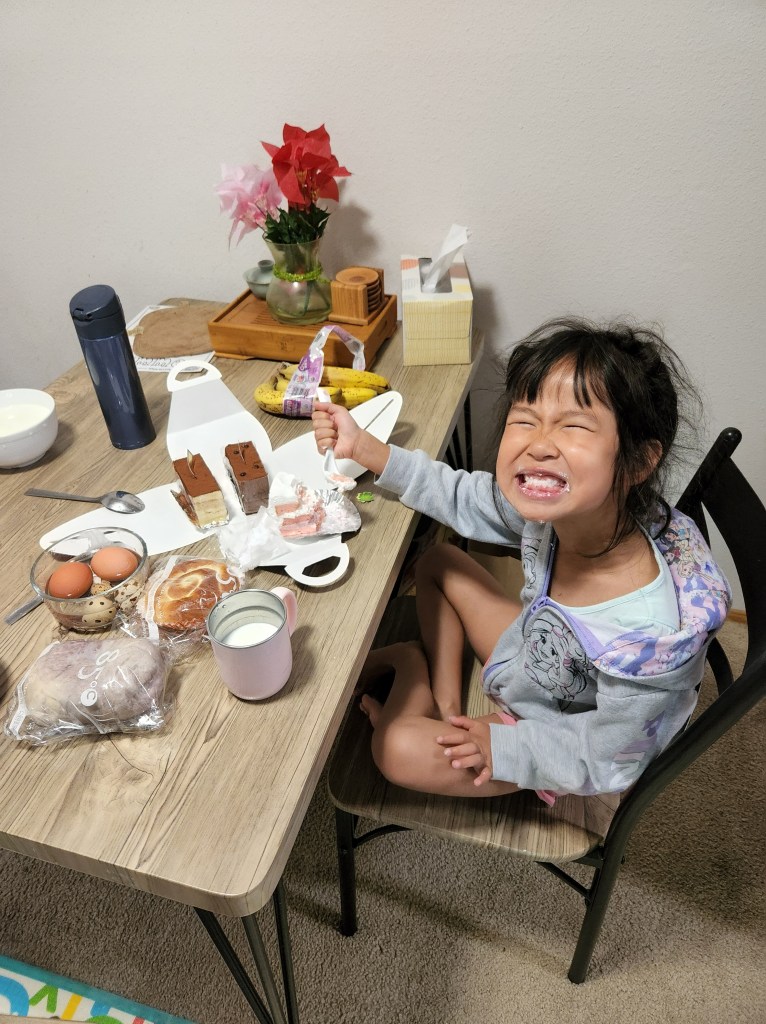
Be yourself even when not in photo Seek happiness is a strategy the designer of this world to drive the normal operation in this version of world. Due to human mind complexity, there is no straightforward answer to happiness: one man’s meat is another man’s poison. The logic of this system design is to search for optimal model with broad diversity so the search doesn’t end on a local optimal. As a player in the system, what we can do to enjoy the process is to follow our nature — the original design of our creator. If one’s nature is to think all days to generate weird ideas to inspire or diversify opinions, they should just do that instead of pursuing engineering success.
Follow your heart and then become happy naturally.
Still my 2cents for any Tips:
- write journal to express emotions or release pressure.
- exercise daily to feel your existence.
- fully utilize this simulated to last longer physically including good diet, better living conditions….. —> to live itself means everything.
- do at least one thing you enjoy daily.
- live according to your personal values. — remember the world itself is one virtual simulation out of a trillion, and early is tiny sand of this world, nothing really matters more than how you feel right now.
-
读林语堂的苏东坡
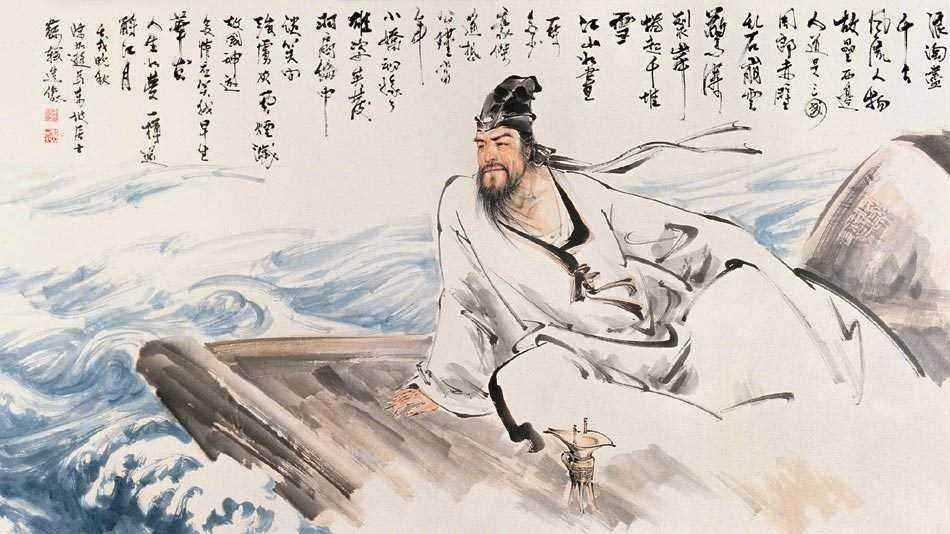
人之至药,莫若身无病而心无忧。 苏东坡可谓是我们的医者,涤荡我们的心灵,让我们爱护自己的身体,随遇而安,充分舒展自己的本性,让内心去影响我们对外物的观察,使得我们自由逍遥而驰骋天地之间。
病者得药,吾为之体轻。饮者困于酒,吾为之酣适,盖专以自为也。
东皋子待诏门下省,日给酒三升,其弟静问曰:“待诏乐乎?”曰:“待诏何所乐,但美酝三升,殊可恋耳!”
– 苏东坡随心所欲而不逾矩,说着好容易,但自己真正去尝试,免不得落得抑郁焦虑的下场,如同我一样,只好再退而积累,慢慢弹断我的1500琴弦,然后再去尝试。
这本书对苏东坡的仕途着墨很多,很想清晰地说明他的境遇和在民生上做的贡献,更多地还原了苏东坡的人生走向,确实有着大展宏图之志,在文学上自己就境遇自然抒发,天生丽质,而成一代大家。


About Me
Provide Customized Travel Plan Service. Build Perfect Travel Plan for you, meeting all your requirements!!! Comment in the website for free evaluation and consulting. Also on XHS. contact email: zero@world-simulation.com
Follow Me On XHS
Subscribe To My Newsletter
“Do not say a little in many words but a great deal in few.” – Pythagoras
 World Is A Simulation